

The recent plunge of Houthi fighters into the coastal city of Mokha is exactly this kind of pivot. What appears on paper as a localized victory is, in reality, a masterclass in asymmetrical warfare. It exposes a profound truth about the modern Middle East: those who view the battlefield through a narrow, provincial lens will inevitably be outmaneuvered by adversaries playing a sprawling, regional game of geopolitical chess.
To dismiss the fall of Mokha as a minor setback for the Saudi-backed coalition is to fundamentally misunderstand the geography of power in the Red Sea. The city and its surrounding archipelago do not just represent a harbor; they constitute the jugular vein of the region. By sweeping into this territory, the Houthis have effectively severed the critical supply arteries that bind Taiz to the western seaboard. This maneuver cascades outward, threatening the approaches to Dhubab and, by extension, the Yemeni flank of the Bab al-Mandeb Strait. The Houthis are no longer just fighting for domestic sovereignty. They are boldly asserting control over a maritime corridor that dictates the pulse of global trade.
This tactical leap yields immense strategic dividends for Iran and its proxy network. By projecting credible force over two of the most vital waterways on the planet, the geopolitical equilibrium tilts sharply away from the United States, Israel, and their Gulf partners. The battlefield has metamorphosed from a dusty contest over provincial boundaries into a high-stakes standoff over international shipping lanes. For the forces aligned with Yemen’s defense ministry, and the deep pockets of Riyadh and Abu Dhabi, this is not a retreat. It is a catastrophic unraveling of their operational lines. The fragility of their military framework has been dramatically and undeniably exposed to the world.
Shifting Control of the Western Coastal Strip

Key Analytical Takeaways:
● Houthi Expansion: Exponential growth in territorial control, peaking aggressively in September and securing vital coastal domains.
● Coalition Contraction: Strategic coastal leverage lost, reducing forces to fragmented and vulnerable interior positions.
The collapse in Mokha forces observers to evaluate the conflict through three distinct but overlapping prisms. The primary lens is raw territorial dominance. The second is the weaponization of the shoreline as a launchpad to harass commercial freighters, deter aircraft carriers, and sink naval vessels. The final lens views the Bab al-Mandeb Strait as a massive bargaining chip in the broader cold war pitting Tehran against its myriad adversaries. Each of these perspectives offers a grim prognosis for the anti-Houthi alliance.
Operationally, the insurgents have locked down the vulnerable southern approaches to Hodeidah while simultaneously starving the Taiz supply network, paving a golden road for deeper incursions into the Yemeni interior.
Operationally, the insurgents have locked down the vulnerable southern approaches to Hodeidah while simultaneously starving the Taiz supply network, paving a golden road for deeper incursions into the Yemeni interior.
Moreover, seizing Mokha hands the Houthis a turnkey command center previously utilized by their enemies. The subsequent push toward Perim Island amplifies their surveillance footprint. Even if they never set foot on every passing cargo ship, their mere proximity allows them to project an aura of inescapable threat. They do not need physical blockades; the psychological weight of their coastal presence is enough to dictate terms. The anti-Houthi factions attempted to preempt this nightmare by launching a chaotic, multi-front offensive spanning from Marib to Shabwa. Their goal was to bleed the insurgents across multiple theaters, theoretically preventing them from massing their strength along the western coast.
Data points to massive casualties, with hundreds perishing in a compressed window of brutal escalation in early September. Yet, this sprawling offensive only illuminated the glaring strategic vacuum at the heart of the Saudi and Emirati war rooms. Instead of a surgical, unified campaign, the coalition delivered a disjointed scramble. The Houthis, whose precision targeting has evolved dramatically since late 2023, easily absorbed the pressure. Riyadh, stubbornly clutching to dangerously optimistic intelligence, seems to have learned nothing from a decade of quagmire. Timing their offensive to precede the American and Israeli elections hinted at a political gamble, hoping a reshuffled deck in Washington might finally deliver decisive military salvation. This reliance on foreign political cycles underscores a fatal lack of independent strategy regarding Iran. The recent Mecca defense pact, linking Saudi Arabia, Turkey, and Pakistan, now faces an agonizing trial by fire.
However, the Houthi triumph in Dhubab is a double-edged sword. Transforming rapid battlefield momentum into entrenched, sustainable governance is notoriously difficult. As their vanguards push further south, their logistical tethers stretch dangerously thin. They emerge from the rugged mountains into the exposed flatlands, rendering their convoys highly susceptible to aerial bombardment and naval artillery. Managing restive local populations and securing battered infrastructure requires a bureaucratic finesse that a purely militant organization often lacks.
Escalation Dynamics and Strike Frequencies

Core Operational Dynamics:
● The Intersection Point (Early September): Marks the critical juncture where Houthi asymmetric capabilities quantitatively surpassed conventional coalition airstrike frequency.
● Coalition's Mokha Spike: A sharp, reactive surge representing the bombing of Mokha airport, which failed to sustainably suppress the opposition's trajectory.
● Sustained Upward Trajectory: Reflects the continuous and methodical enhancement of drone deployments and coastal artillery readiness.
Saudi airstrikes pulverizing the runways at Mokha airport were a desperate attempt to deny the Houthis a staging ground for their drone swarms and munitions depots. Proponents of the coalition might argue that abandoning Mokha was a calculated tactical retreat, a maneuver to preserve manpower and consolidate defensive perimeters. But in the theater of optics and momentum, it was an unmitigated disaster. It surrendered the narrative of inevitability to the insurgents and dragged the frontlines perilously close to the Bab al-Mandeb. The core rot within the anti-Houthi coalition is its fundamental disunity. It is not an army; it is a chaotic syndicate of convenience, plagued by contradictory agendas and deep-seated mutual suspicion.
The coalition umbrella awkwardly shelters the internationally recognized government, the National Resistance Forces steered by Tareq Saleh, hardened southern separatists, and a patchwork of tribal militias. Behind them stand Saudi Arabia and the UAE, two regional titans nursing fundamentally incompatible visions for Yemen’s future. While some factions bleed to restore a unified, centralized state in Sanaa, others are exclusively fighting to carve out an independent southern republic. Still others operate essentially as glorified security guards for coastal ports, motivated entirely by localized fiefdoms and patronage networks. As the thunder of artillery echoes closer to the global shipping lanes, the exorbitant cost of this internal fracturing becomes impossible to ignore.
The ultimate question is not merely if this fractured alliance can muster the firepower to halt the Houthi juggernaut. Rather, it is whether they can synthesize a cohesive, centralized command structure that supersedes the petty rivalries of their Gulf benefactors. So far, the answer is a resounding negative. The encroachment upon the Bab al-Mandeb represents an existential threat to Saudi Arabia’s economic lifelines. With Iran already casting a long, menacing shadow over the Strait of Hormuz, the Kingdom faces the terrifying prospect of being suffocated at both ends of its oil export routes. This dual-chokehold scenario forces Riyadh to contemplate the very direct interventions it has spent years trying to escape.
Desperation breeds predictable diplomacy. Reports indicate that Saudi Crown Prince Mohammed bin Salman directly lobbied the incoming administration for a devastating bombing campaign against Houthi strongholds. The response was a chilling reality check: Washington flatly refused to pull the trigger. While offering a steady diet of intelligence and logistical data, the United States made it abundantly clear it has zero appetite for opening a messy, direct front in the Yemeni quagmire. America’s priority is shielding freedom of navigation from the sidelines, leaving Riyadh to bear the bloody brunt of the ground war. This diplomatic cold shoulder effectively drags the Saudi leadership back to the painful drawing board. Riyadh is discovering that banking on transactional foreign support offers no real security. The Kingdom remains starkly isolated, leaving the Houthis with leverage to inflict catastrophic damage upon Saudi energy infrastructure. Riyadh may inevitably be forced to accept a hostile status quo. Simultaneously, the fallout is devastating for Abu Dhabi. The capture of Mokha shatters the UAE’s strategy of outsourcing coastal security to allied local strongmen. Their entire architecture of proxy influence along the Red Sea is crumbling. Fragmented mercenary units, bereft of deep ideological conviction, simply cannot hold the line against the uncompromising, fiercely coherent political project of the Houthi movement.
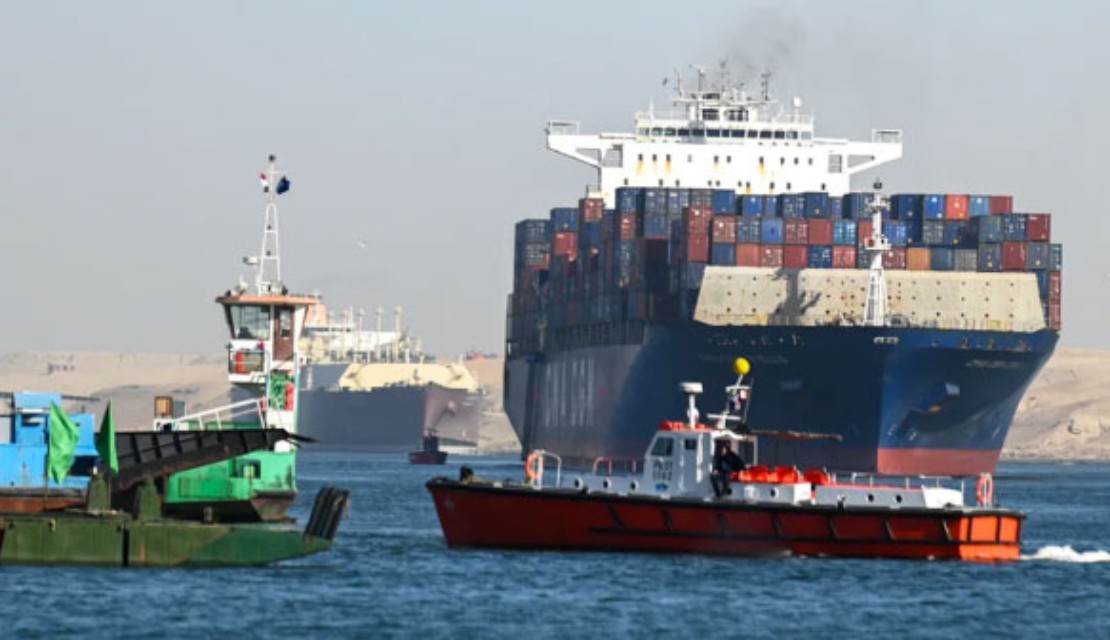
The repercussions of this ideological mismatch spill far beyond the Arabian Peninsula, threatening the global economy. For Egypt, creeping Houthi hegemony over the strait is a financial nightmare. Cairo faces a semi-permanent blockade, forcing shipping titans to reroute vessels around the distant Cape of Good Hope. Collapsing Suez Canal revenues would devastate Egypt’s treasury. The deepest peril lies in normalizing this maritime chaos. A paramilitary organization is now dictating global trade terms, imposing volatile risks on energy flows. While insurgents promise immunity to neutral vessels, maritime insurance premiums tell a different story. The Houthis have successfully globalized their local war, proving that a well-placed chokehold overcomes a sprawling army.